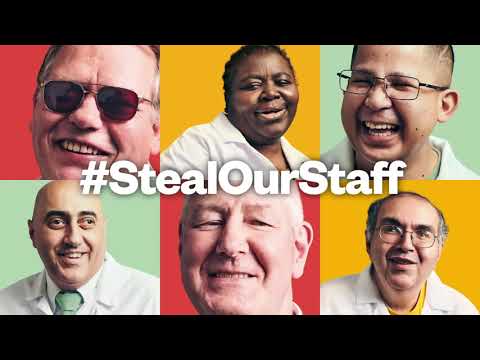
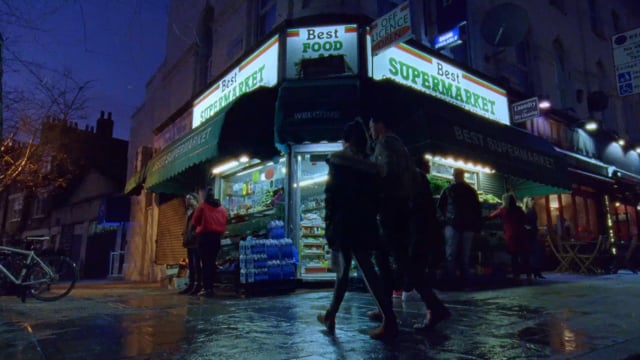
Channel 4 | We're The Superhumans | 2016
Not handicapped — superhuman / Channel 4 "We're The Superhumans"
A mother with no arms holds her baby with her feet. Kids with prosthetic legs play soccer. A woman flies a plane with her feet. For three straight minutes, it just keeps going like this. It won the Film Grand Prix at Cannes Lions 2017, and racked up 23 million views in just four days. It hits just as hard no matter how many times you watch it.
The problem
Channel 4 acquired Paralympic broadcasting rights for the first time at the 2012 London Games, and has stuck to a policy of never treating the Paralympics as an afterthought to the Olympics. Its 2012 ad, "Meet the Superhumans," only managed Gold at Cannes. This time, they widened the definition to include people with disabilities living ordinary daily lives, and spent twelve days filming all across the UK.
The insight
CMO Dan Brooke has said that this single ad features more people with disabilities than the entire history of British advertising. From the start, the team decided not to simply try to top the 2012 version, but to make something different. They chose the song "Yes I Can" first, put together a swing band made up of musicians with disabilities, and only then built the story around it.
The idea
More than 140 people with disabilities appear, with episode after episode unfolding over a cover of a Sammy Davis Jr. song. The campaign came with an audio-description version, a subtitled version, and a sign-language version. On Facebook, it became the first campaign ever to include audio description built in for visually impaired viewers. All proceeds from the song went to the British Paralympic Association.
What happened
The ad generated a stronger response on Twitter than the BBC's own Olympic trailer, and went on to win a total of four Gold and six Silver Lions, including in Film Craft, Integrated, Entertainment, and Media. One survey found that 74% of respondents said the ad made it easier for them to talk about disability. It was even used as teaching material in schools.
Afterthought
There was real criticism too — that it dehumanized people with disabilities, that it was "inspiration porn." Even so, Channel 4 didn't stop there, and went on to evolve the idea further into "Super.Human." I still haven't seen an ad in Japan that tackles disability with this much intensity. I want to make one.
Awards
- Cannes Lions Grand Prix 2017