ACジャパン(公共広告機構) | IMAGINATION/WHALE(黒い絵) | 2016
A Brilliant Last-Second Comeback From the Brink of Defeat / AC Japan "IMAGINATION/WHALE (Black Picture)"
Almost the entire film is made up of footage that leaves you feeling uneasy, and then, right at the very end, your whole perspective flips. It feels like watching a team on the verge of a crushing defeat suddenly turn the game around with one stunningly brilliant move. This is a masterpiece that hasn't aged a bit—if anything, it feels like it's only grown heavier with time.
The problem
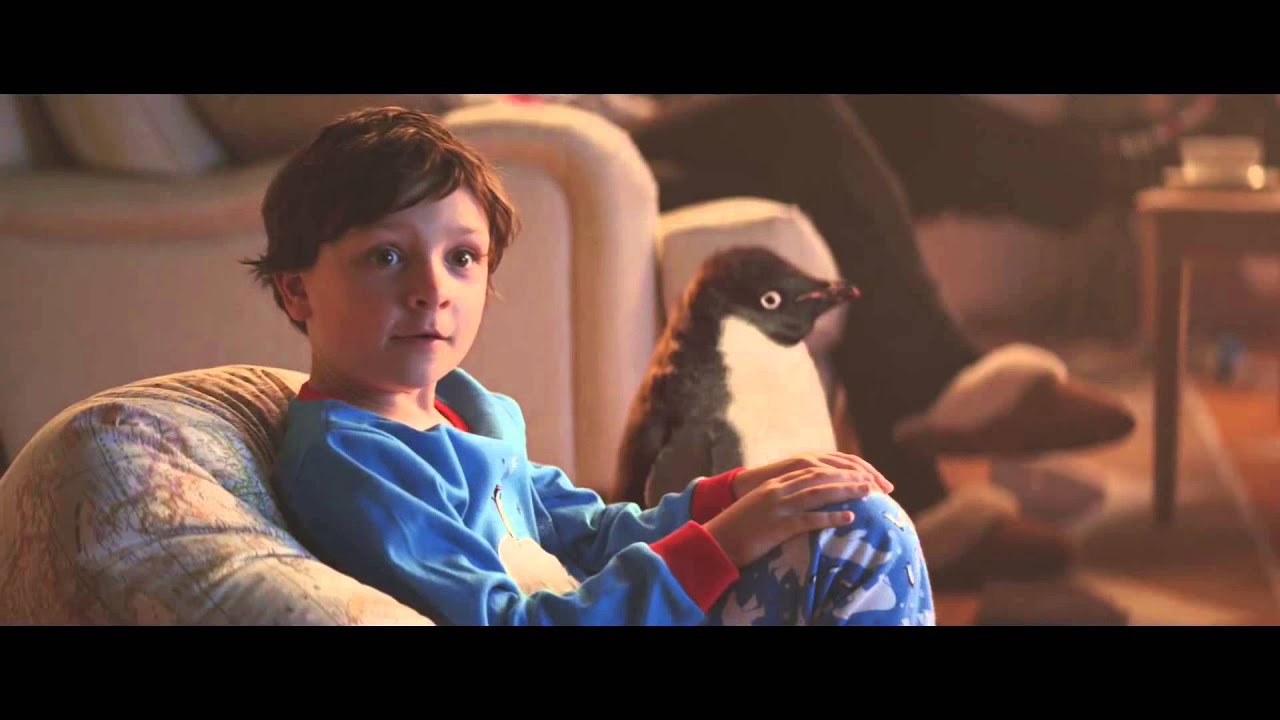
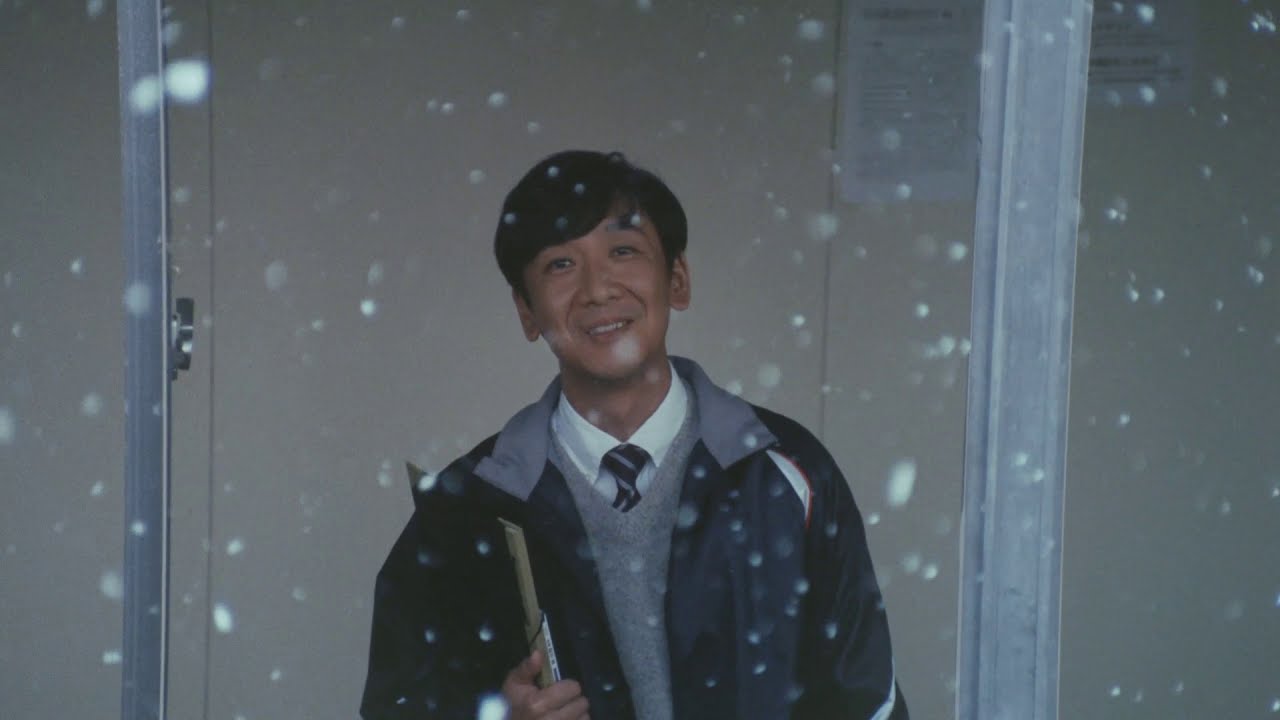
Day after day, a little boy keeps covering his drawing paper in solid black. His teacher is baffled, his parents can't figure out why, and eventually they take him to a hospital. Still, the boy keeps painting everything black. The adults around him can only fret, wondering if something is wrong with him. The film packs this anxiety and confusion—how hard it is for adults to understand a child's imagination—into a minute and a half. The planner, Takuma Takasaki, has said the project grew out of his own frustration as a child, when he was told in art class to "draw a proper picture." That autobiographical intensity is what gives the commercial its tension.
The insight
What's remarkable is the choice to depict the idea that "a child's imagination goes beyond what adults can understand" through a sense of unease. Takasaki has said he wanted to convey the message—that adults' assumptions can unconsciously hurt children—in a way that would really strike adult viewers. That's exactly why the ad deliberately paints such a stark contrast between "worried adults" and "a misunderstood child." It's structured to make the adult viewer anxious, then confront them with their own preconceptions at the very end. I think it's the strength of this logic that let the ad reach people around the world, across language and culture.
The idea
A teacher and a nurse suddenly notice something and start lining up the sheets of paper the boy has covered in black. What appears is a huge picture of a whale, formed by joining all those black sheets together. It's the moment that makes viewers gasp. Then the message appears: "Please don't take away a child's imagination." Suddenly everything makes sense. The way the ad flips from its gloomy tone in an instant, and the editing that keeps a suspense-like tension running throughout, are both masterful. Takasaki has said that around that time, at Cannes, he had an awakening about the "grammar of film" and spent time studying its logic—and this commercial is the result of that study.
What happened
The ad aired in 2002 to mark the 30th anniversary of AC Japan's founding. It won high acclaim both in Japan and abroad, including the Asia Pacific Advertising Festival Grand Prix, a Silver Lion at the Cannes Lions, a Bronze at the Clio Awards, a Silver at the New York ADC Awards, and a Silver at the One Show. Despite being in the unusual category of public service advertising, it was praised at advertising festivals around the world. Because of its long length (60 to 90 seconds), it could only air a limited number of times, but its buzz and impact stuck in many people's memories, and it's still talked about today as a "traumatic commercial." Then in 2021, 20 years later, it found its way into a new form, published as the picture book "Makkuro" ("All Black", Kodansha) in collaboration with picture book artist Ken Kuroi.
Afterthought
A brilliant reversal at the last moment—that's really what it comes down to. I'll never forget the feeling of watching that tension build and then hit that final release of catharsis for the first time. It also says something about the strength of this work that Takasaki made it near the end of his twenties, a time when, as he's described it, he no longer knew what "interesting" even meant and kept questioning whether he was cut out for this job at all. The logic he found in the midst of that struggle, combined with his honesty about his own experience, produced a commercial that reached the whole world. A true masterpiece really doesn't age.
Awards
- Cannes Lions Silver