VIRGIN | Warren | 2004
How the World's Least Datable Guy Changed the Mobile Market / Virgin Mobile Australia "Warren"
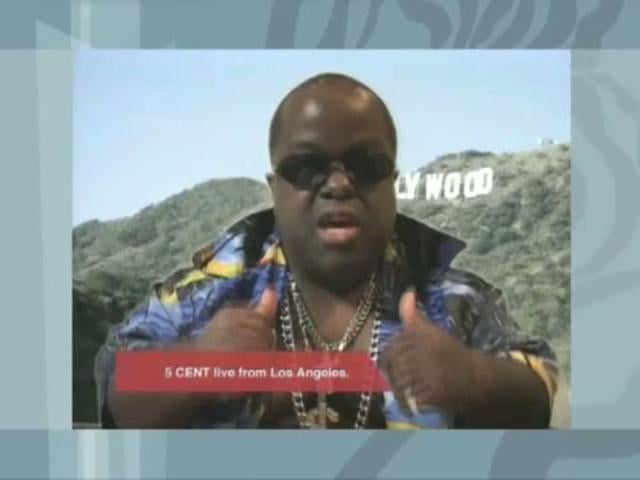
In 2004, young Australians fell hard for an "incredibly unappealing, single and desperate" dork. His name was Warren. Speaking straight to camera in dating-video style, he was all confidence and zero charm—and yet somehow, totally unlovable as he was, Warren wormed his way into youth culture and became a legendary character who pushed Virgin Mobile to its highest-ever market ranking.
The problem
In the early 2000s, Australia's mobile market had matured—penetration was at 72%, with only 14% growth projected over the next five years, a pretty saturated picture. Two giants, Telstra and Optus, dominated with deep advertising budgets, and Virgin Mobile's growth had stalled by early 2003. The company narrowed its focus, deciding to put everything into winning over prepaid young people—especially the kind who text constantly.
The insight
Virgin Mobile had a pricing edge: texting another Virgin user cost just 5 cents, far cheaper than the standard 25 cents at the time. For students using prepaid phones paid for by their parents, that was a revolutionary price. But being cheap alone wasn't going to win young people's hearts just by shouting about it. What they wanted was a brand that felt like one of their own friends. That's where the idea came from: put a self-deprecating, relatable character front and center—Warren, the "ultimate virgin."
The idea
Warren appeared in a series of ads as an "incredibly unappealing, single and desperate" young dork, pitching himself dating-video style. He was brimming with confidence despite being hopelessly uncool—and somehow that gap made him strangely lovable. The heart of the campaign was a gimmick: you could actually call Warren and leave him a message on his voicemail. Students got hooked, asking each other "Did you call Warren?" and "It's hilarious!"—and the buzz spread across schoolyards. The ads spoke in young people's own language and humor, and Warren became more than just a character—he became part of youth culture itself.
What happened
On a total investment of $2.5 million, the campaign generated about $9.7 million in value and brought in more than 160,000 new customers. Virgin Mobile Australia hit its highest-ever market ranking, lowered its average user age, reduced churn, and increased usage. According to the IPA Effectiveness Awards 2004, Warren struck a nerve with young Australians and, for a time, became part of youth pop culture. The campaign also won a 2004 Mobile Marketing Association Award and has been held up as a textbook case of marketing to young people.
Afterthought
What makes this case so great is how it turned a plain fact—cheap prices—into an emotion: a sense of belonging. Warren was uncool, unlovable, and yet somehow impossible to hate. That character design gave the brand a sense of warmth and made people want to join in. It's also impressive that back in 2004, when YouTube had barely started, they built buzz through something as two-way as a phone call. Warren embodied that moment when advertising stopped being something you just watch and became something you take part in. Honestly, it makes me want to call someone myself.
Awards
- Cannes Lions Grand Prix 2004
Featured in
- Fictional People Started WorkingFive people who don't exist — and reality answered back anyway.