ジョージア | 明日があるさ | 2000
The 'Tomorrow' That Lit a Fire in Every Salaryman's Heart / GEORGIA "There's Always Tomorrow"
On 8/26, 2000, Coca-Cola Japan's canned coffee brand GEORGIA used Kyu Sakamoto's song "There's Always Tomorrow" in a commercial, and it became an unprecedented revival hit. Both the commercial and the campaign turned into a huge talking point. When it was later made into a TV drama, the first episode pulled a 29.0% rating — the seventh-highest debut rating ever for a commercial broadcaster's drama series, and the highest ever on Nippon TV. That's how big this was.
The problem
Judging panel chair Ko Sakata commented, "Perhaps because of the recession, there are few obviously big-budget productions. That means more effort is going into the ideas themselves. Many works also build in the harshness of reality, not just dreams and fun." In 2000, Japan was in the depths of a recession. Salarymen were worn out and looking for something to help them face forward. What reached them was a song by Kyu Sakamoto from 37 years earlier.
The insight
The heart of this campaign, planned, produced, and written by CM planner Shinichi Fukusato, was its quiet endorsement of putting on a brave face. One memorable verse contrasts a former coworker who left to start his own company with the narrator who stayed behind, repeating to himself that there's no need to rush — capturing both the desperation of talking yourself into it and the will to still look toward tomorrow, told with a mix of comedy and feeling. Instead of simply shouting "Hang in there," the song offered the gentler escape of "there's always tomorrow." That's what struck a chord with Japan's salarymen.
The idea
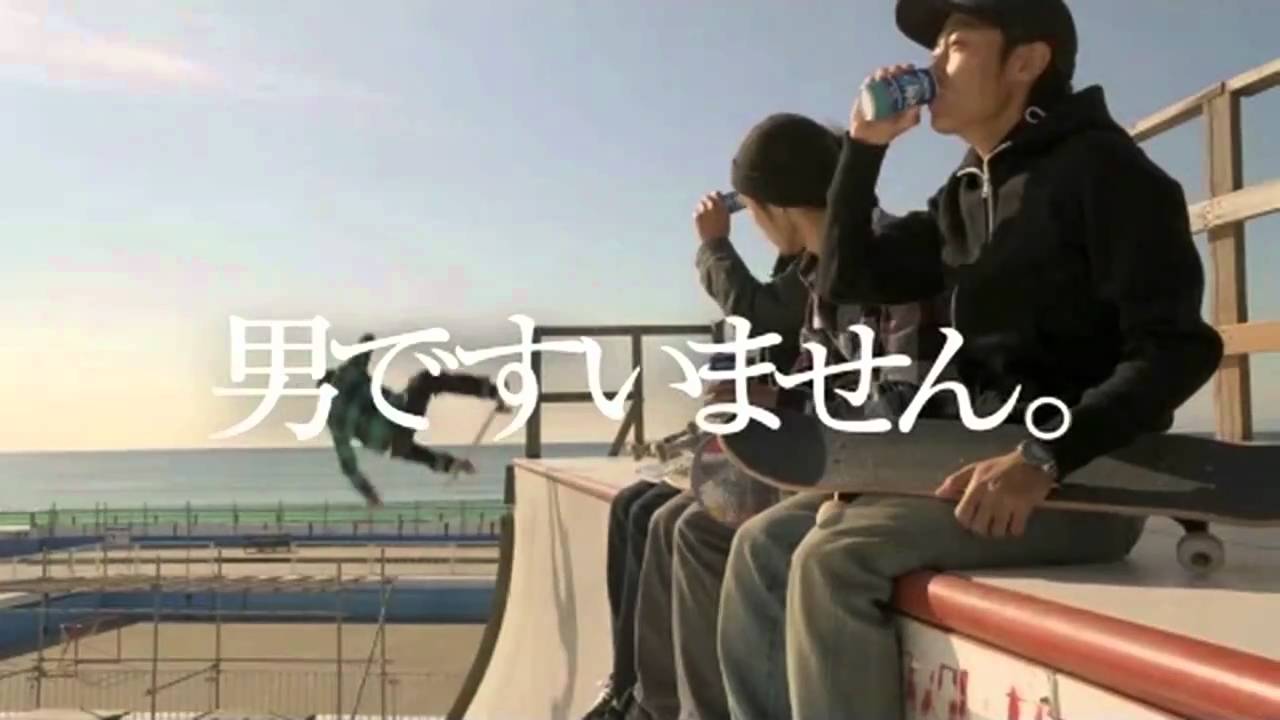
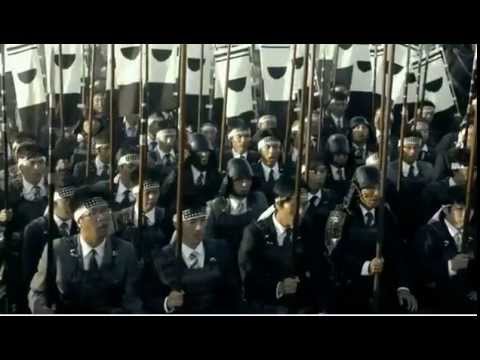
The campaign featured a star-studded cast including Downtown, and the series of commercials began airing nationwide on 8/26, 2000. From the third installment, "The Former Coworker," the vocals switched to Tortoise Matsumoto of Ulfuls. Popular comedians from Yoshimoto all came together, with Masatoshi Hamada at the center alongside Yukie Nakama, Cocorico, London Boots Ichigo Nigo, and Takashi Fujii playing office workers, each installment portraying a different slice of salaryman joy and sorrow. The lyrics, written by CM planner Shinichi Fukusato, carried the title "There's Always Tomorrow (Let's Go with GEORGIA Edition)." The skill of turning the original song's story of a student's crush into the wistful feeling of a working man's life was remarkable.
What happened
The following year, in 2001, the campaign won various advertising awards, and the phrase "There's Always Tomorrow" made the top ten in the Buzzword of the Year awards, becoming a social phenomenon. In collaboration with Ulfuls, who like Re:Japan had also covered Kyu Sakamoto's "There's Always Tomorrow," the two joined together as the unit Re:Japan and appeared on NHK's Kohaku Uta Gassen, creating huge excitement. Combined CD sales from Ulfuls and Re:Japan topped 1 million copies. The campaign was turned into a TV drama in 2001, averaging a 19.3% rating over 11 episodes, and became a movie in 2002. At the ACC CM Festival 2001, it won the Minister of Internal Affairs and Communications Award/ACC Grand Prix in the television category, and Masatoshi Hamada and the cast won the Best Actor award.
Afterthought
What strikes me most is just how far this campaign grew beyond being a single company's marketing push — looking into it again, I was honestly amazed at how true that is. The path from commercial to drama to film to Kohaku Uta Gassen feels like the exact moment advertising became culture. In today's world, a campaign that sparks this kind of mass excitement might never happen again. That's exactly why this record still shines. The phrase "There's Always Tomorrow" was something the era of 2000 truly needed, and I want to pay heartfelt respect to Shinichi Fukusato and his team for answering that need.