東京ガス | 家族の絆・お弁当メール | 2010
Email, Before Email Existed / Tokyo Gas "Family Bonds: Lunchbox Emails"
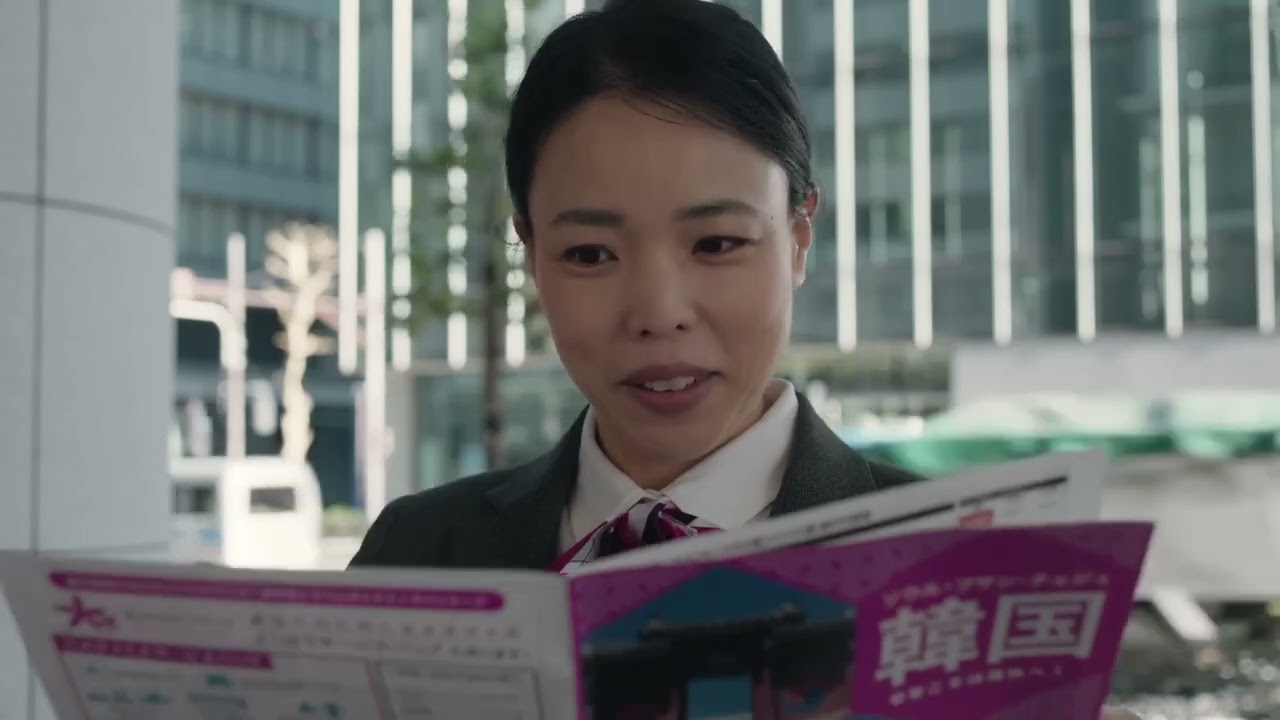
It's only 90 seconds long, but I cried right on the spot. I happened to catch it on TV, lucky enough to see it from the very beginning, and the tears just came. "The lunch a mother makes" is already powerful material on its own, and this ad dresses it up in something very modern: "email." To a son who barely talks anymore, the lunch his mother makes every single day becomes a one-way, but very real, "message."
The problem
This was part of Tokyo Gas's "Family Bonds" series, which began in 2008, and this particular installment started airing in the 9th month (September) of 2010. The series keeps exploring what sits at the heart of a family through food, and it was designed to run for a full year, airing every Saturday morning during the program "Shokusai no Okoku." Creative director Yoshimitsu Sawamoto has said he aims to make commercials durable enough that people can watch them again and again over a full year and still feel okay about it. This particular film was aimed with real precision at women in their late 40s with teenage sons—exactly the demographic most likely to be making lunches like this.
The insight
The ad opens with the line "My conversations with my son have gotten shorter," and mothers of teenage sons everywhere nodded along, thinking "yes, exactly." As a one-way email to a son who's stopped talking much, the mother just keeps making lunch after lunch. Hamburger steak, fried chicken, rolled omelet—the "top three kid-favorite dishes"—home-style comfort food, and even a pork cutlet lunch meant as a pun on encouragement, each variation packed with feeling. As one viewer put it, "Packing it into the lunchbox and sending him off with it—that was my message to him." It's a gentle way of reaching into a memory so many people share. You can feel the maker's warmth running through the whole thing from start to finish.
The idea
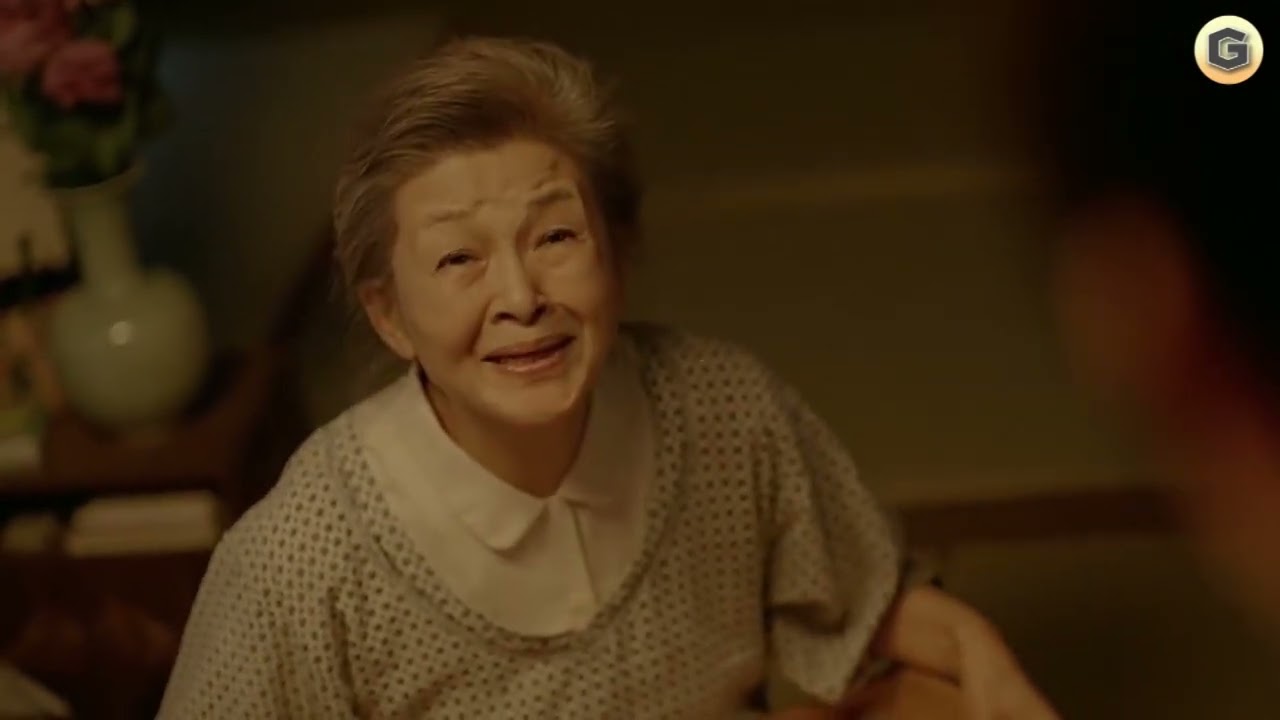
The core idea—treating a lunchbox as an email—is simple and strong. The footage shows the mother making lunch every day, and day after day, her son accepting it somewhat indifferently. But at the end, in the moment he hands his mother a letter that says "Thanks, Mom," the one-way email finally becomes two-way. That moment, when the mother cries, is what earned this ad its reputation as "a commercial that makes the viewer cry too." Within just 90 seconds, the direction carefully captures both the passage of time and the shift in their relationship. Kaori Mizushima's performance as the mother also left a strong impression.
What happened
As soon as it started airing, Tokyo Gas received a flood of comments saying it made people cry. In 2010, it was chosen as the clear number one in the "Best Commercial of the Year," selected by critic Yusuke Amano together with more than a hundred readers for the Asahi Shimbun. In 2011, it won Silver in the Film category at ADFEST (the Asia Pacific Advertising Festival), and at the 40th Fujisankei Group Advertising Awards it won Best TV Commercial in the Media category and an Excellence Award for TV in the Public category. It was also selected for the ACC Award, chosen by next-generation creators, at the ACC CM Festival. As of May 2015, the video had been viewed over 5 million times, and in 2011 it was featured on TV programs including "1-punkan no Shin-ii Hanashi" and "Sukkiri!!" After the Great East Japan Earthquake, it drew renewed attention as a commercial evoking recovery and bonds, and the image of parent and child connected through a homemade lunch struck a chord with many people all over again.
Afterthought
No matter how many times I watch it, I still think it's wonderful. It has that same quality as things like exam season or graduation—gently reaching into a memory so many people share. But because it's told plainly, without preachiness or forcing the point, just as an ordinary slice of a mother's daily life, that final moment hits so hard. The odds of it happening were astronomically small, but I'm grateful for the sheer luck of stumbling onto a good commercial on TV like that. I hope this is an industry that keeps making work like this.