東京ガス | 母の推し活 | 2023
A Mom Shines Through Her Fandom, and Gas Barely Gets a Mention / TOKYO GAS "Mom's Fan Life"
There are a few ad series I look forward to every year, wondering "what will they do this time" — and Tokyo Gas's brand ads are one of them. Their "Family Bonds" series, running since 2008, has delivered one gut-punch after another straight to the Japanese heart, starting with the famous "Lunchbox Email" spot. I admire their work. The 2023 entry, "Mom's Fan Life," tells in 90 seconds the story of a mother who falls for a K-pop idol thirty years younger than her and watches her life open up as a result. It became a huge hit, racking up over 5 million views on Twitter within three days. This time, though, I found myself thinking "it's good, but..."
The problem
Since 2008, Tokyo Gas has run its "Family Bonds" series of brand ads, portraying families through the lens of cooking. "Mom's Fan Life" is built around a mother who, purely by her own choice, becomes a fan of someone — and through that act, steps outside the home and workplace, communicates freely in a new kind of social world, and deepens her family's bonds as they cheer her on. Dentsu's Sohei Okano said, "We're seeing a shift in fixed ideas about family roles. More and more families let each member pursue what they want without holding back, and respect and support each other in doing so." The project captures this era's emphasis on diversity and being true to yourself, using "fan life" as its entry point.
The insight
At the core of this commercial is Okano's idea that "being a fan is an act a mother chooses entirely of her own will, not something anyone asks of her. Through it, she can free herself from the pressure of society's deeply rooted idea of what a mother 'should' be, step outside the fixed social worlds of home and workplace, and communicate freely in a new kind of social space." He also said, "We wanted to portray fan life not just as a trend, but as a 'new shape of family.' Since I'm not a fan myself, we did careful research to sharpen our understanding, and to pursue authenticity and seriousness in the portrayal, we cast an actual Korean idol group." Thorough research and the use of a real group to make the story convincing were key points.
The idea
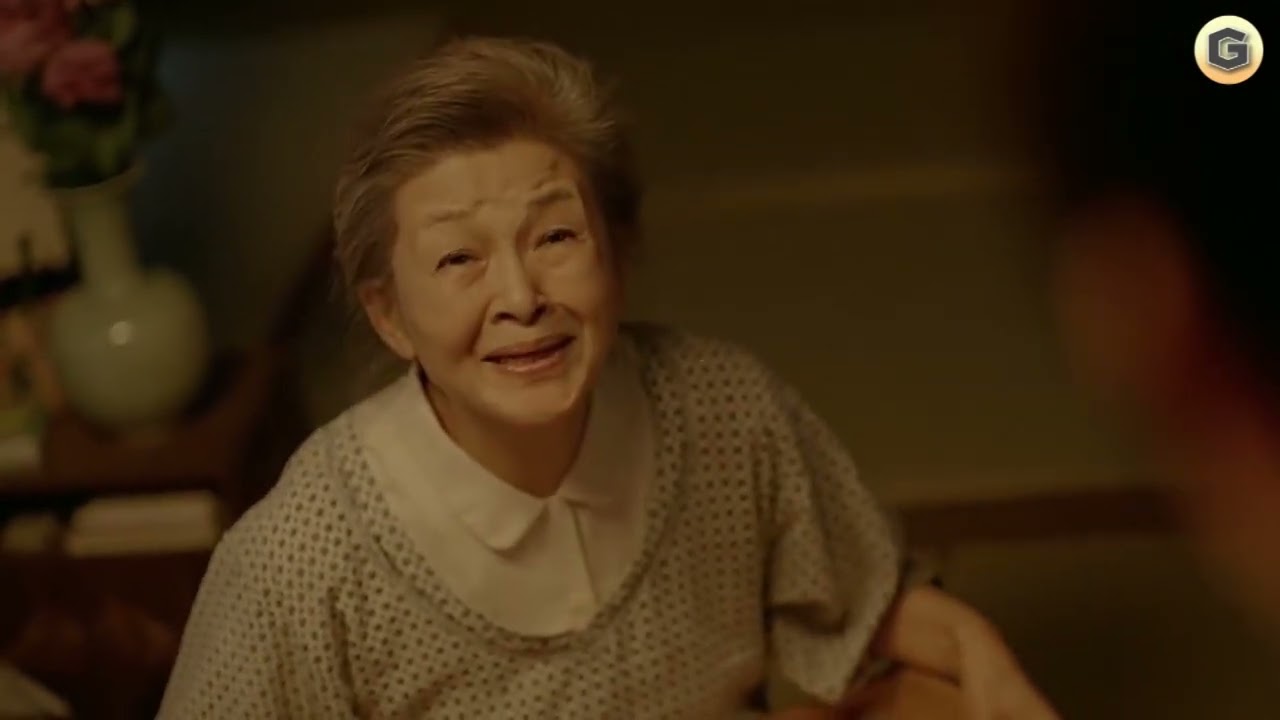
The 90-second story follows a mother working as a taxi driver, with narration saying, "I fell in love. With someone thirty years younger than me." She discovers the K-pop group ONEUS, becomes friends with someone else who's a fan at the hair salon, fills her room with merchandise, and starts learning Korean, eventually enjoying conversations with Korean customers in her cab. Her daughter, who at first looks exasperated, ends up cheering her mother on, saying "Honestly, I'm starting to get jealous." When her mother falls ill right before a concert, the daughter tells her, "What are you talking about! Your fan life has barely even started," and makes her samgyetang soup to help her recover. The ad ends with a shot of a blue gas flame. The director was Masahiro Takada, the cinematographer Noriyuki Kasamatsu, and the food styling was by Nami Iijima.
What happened
The ad surpassed 5 million views on Twitter within three days of release and won a Galaxy Award Commercial Division Selection at the 61st Galaxy Awards, Gold and Bronze at the ACC TOKYO CREATIVITY AWARDS, and Medalist in the TV Advertising category of the Consumer's Choice Advertising Competition at the 61st JAA Advertising Awards. On social media, comments poured in like "I relate to this so much," "It hit so close to home I cried," and "This captures every detail of fan life with such incredible precision, it's genius." One Twitter post about the ad was reposted 40,000 times and liked 117,000 times, drawing a huge response.
Afterthought
Personally, though, my honest reaction was more like "it's good, but..." Compared to things like the lunchbox email ad or the judo club one, the connection to gas is almost nonexistent here. There's a shot early on of the gas igniting, and a dinner table scene, but even those only serve to stage a "warm, cozy space" rather than actually connect to the story. Trying to tie it all together at the very end with the predictable beat of the mother catching a cold, the daughter saying something touching, and bringing her food — it feels like a missed opportunity. The depiction of fan life itself is wonderfully detailed and precise, you can feel the passion behind the research, and Tamae Ando's performance is lovely — which is exactly why it went viral, I think. But what I want from the Tokyo Gas series is that unshakable structure where "cooking and gas" are inseparably tied to family bonds. This time, that necessity felt thin — it ended up looking more like a beautiful movie about the joys of fan life that just happens to have the Tokyo Gas logo on it. Still, I can't wait to see what they do next year!