日清食品 | カップヌードル麻婆・五目 | 1995
The Violence of a Sound: "Asabaa" / Nissin Foods Cup Noodle "Mapo & Gomoku"
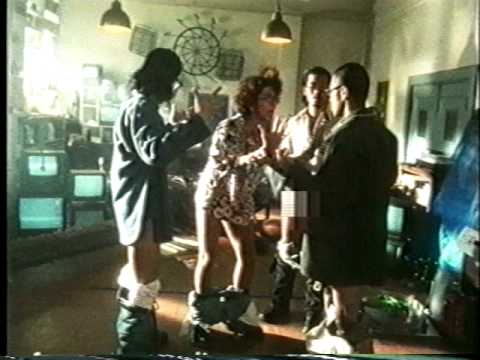
The second you hear "asabaa," your brain just goes "huh?" A female employee misreads "mapo" as "asabaa," confidently adds that it comes with a refined grandma, her boss explodes in anger, and reality snaps back. All packed into just 15 seconds.
The problem
In 1995, Cup Noodle launched two authentic Chinese-style products: "Gomoku" and "Mapo." The idea was to let people easily enjoy classic Chinese restaurant dishes at home—a light soy-sauce-based gomoku and a spicy miso-based mapo. But both had rather plain product names, so Nissin Foods and Dentsu racked their brains over how to grab attention.
The insight
Most people can read the kanji for "mapo" correctly, but there's that split-second moment of hesitation—"asa...baa?" The bold move here was putting that everyday kind of misreading right at the center of the commercial. Grab attention with an unfamiliar-sounding word, let the audience go along with it, then snap them back to reality and get them to react. This four-step structure is packed into just 15 seconds. The sheer impact of the sound "asabaa" is the kind of thing you can't forget once you've heard it.
The idea
A female employee confidently presents: "Cup Noodle Mapo (asabaa). Comes with a refined grandma. Cup Noodle Mapo (asabaa). New release!" A male employee corrects her: "Sorry, that was a mistake. It's not read 'asabaa'—it seems to be read 'mapo.'" Her boss erupts in anger: "What? What did you say?" The punchline lands on that reaction—simple but perfectly structured. A companion version was also made where "gomoku" gets misread as "gogatsu," and the two ran together as a campaign.
What happened
The ad won an ACC Award at the 36th ACC CM Festival in 1996. Even more than 20 years after it aired, people still post questions like "Does anyone remember that commercial?" on Yahoo! Chiebukuro, showing just how memorable it became. There are even traces of it living on as an inside joke within Nissin Foods—for example, a Chicken Ramen commercial starring Gakki used the same gag of reading "mapo" as "asabaa."
Afterthought
"Asabaa" really packed a punch. This kind of sonic impact gets lodged straight into your brain, no logic required—which is why it hasn't faded even after 20 years. Taking something you're normally never supposed to do—misreading the product name—and putting it boldly at the center of the ad, then turning it into a joke. I think that nerve, combined with how tightly built the structure is, is exactly why it won an ACC Award. Makes me want to misread something too.