NACAIDS | THE GRIM REAPER | 1988
Fear Saved No One / NACAIDS "THE GRIM REAPER"
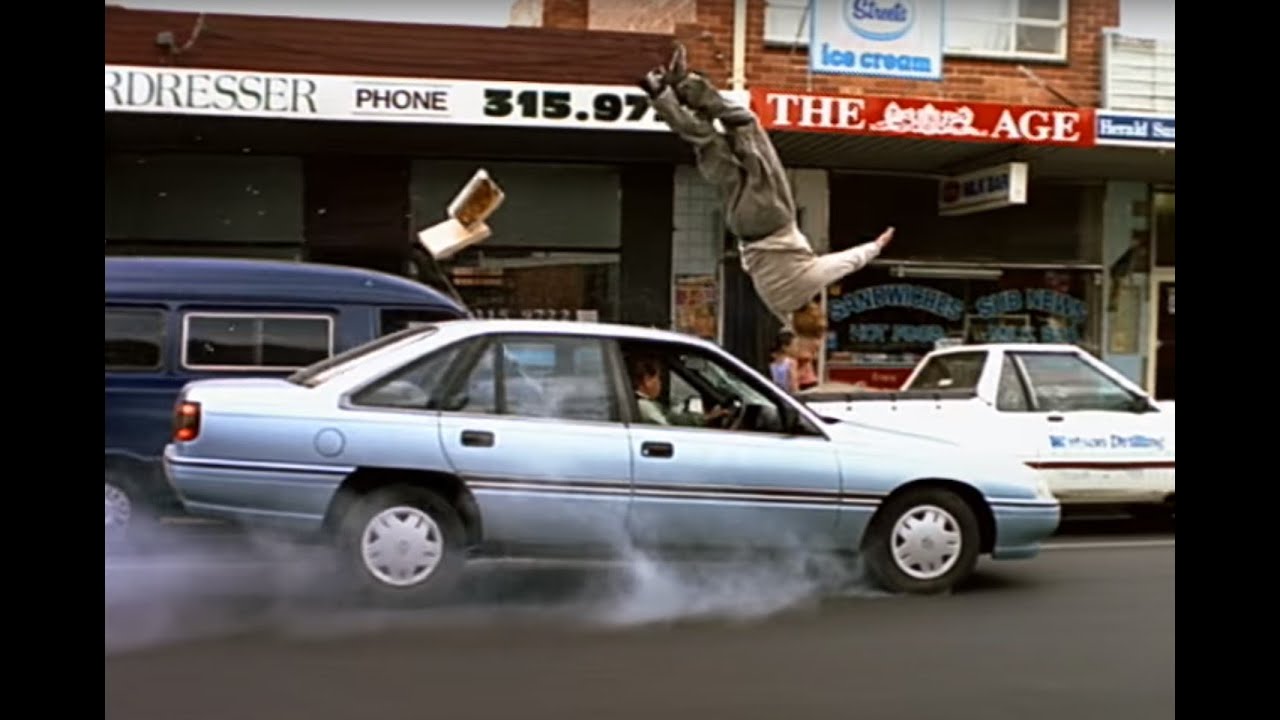
In 1987, a bowling alley appeared on Australian television. The pins the Grim Reaper's ball knocked down were a mother holding a baby, and children at play. It was pulled off air after just three weeks — one of the most controversial ads in the history of public health.
The problem
At the time, HIV was called "a gay disease," and most people felt it had nothing to do with them. A government advisor decided to break through that mindset with a brutal ad on national television. By the end of 1987, there were already 2,773 recorded cases.
The insight
The Grim Reaper's targets weren't gay men or drug users — they were ordinary families. By convincing everyone that "anyone could be a target," it would be easier to push through controversial policies like needle exchange programs. The strategy was to use fear to make the issue personal for everyone.
The idea
In a foggy bowling alley, the Grim Reaper throws his ball. Men, women, and children all fall. A narrator says: "At first, only gays and IV drug users were dying. Now we know every one of us could be devastated by AIDS." Made by Siimon Reynolds, narrated by John Stanton, it aired on 4/5/1987.
What happened
Right after it aired, calls to the hotline jumped 327%. Testing numbers doubled, with testing among heterosexual women up 127%. Even so, the campaign, originally planned to run six weeks, was pulled after just three. An immunologist called it "one of the most effective campaigns," while adding that "there's always a downside."
Afterthought
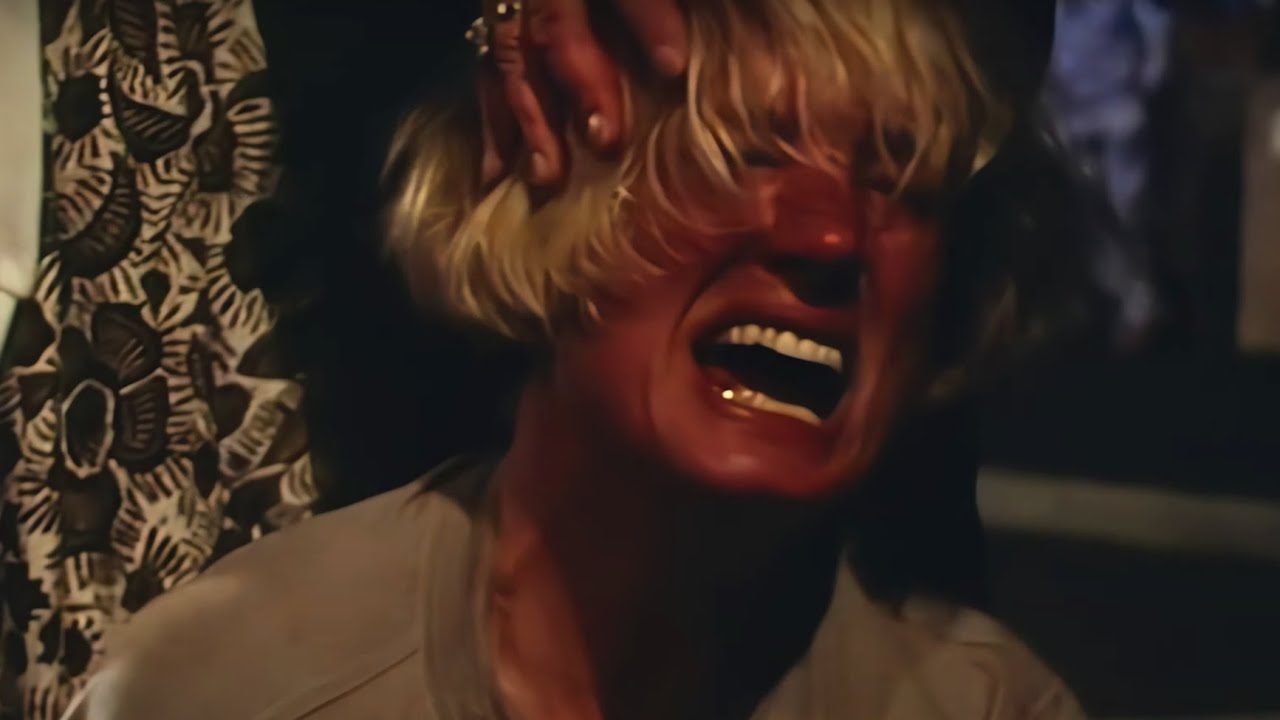
The fact that it worked, and the fact that it hurt people, are both true at the same time. Many viewers saw the Grim Reaper as a stand-in for gay men. One account that remains: "Being portrayed like that on television was devastating for those affected." If you're going to use fear, you have to think all the way through to who it's going to land on.
Awards
- Cannes Lions Gold 1988