JOHN HANCOCK FINANCIAL SERVICES | Real Life, Real Answers | 1986
On the Other Side of the Boos Was a Revolution / John Hancock "Real Life, Real Answers"
Cannes, 1986. The moment director Joe Pytka stepped onto the stage, the room erupted in a roar of boos. This ad, which had just won the Grand Prix, wasn't welcomed by the French audience. "This kind of reality doesn't belong in advertising," they seemed to say. But that was exactly the point of this campaign.
The problem
In the mid-1980s, America's life insurance industry had gone stiff. Every company talked about "financial strength" and "safety and security," sounding more like banks than anything else. John Hancock was no exception—despite having a solid middle-class customer base, the brand struggled to stand out. In 1985, in the middle of a 14-year partnership with Hill Holliday, they made a bold decision: stop talking about the company, and start talking about people.
The insight
There was a copywriter named Bill Heater, known for a talent sometimes compared to David Mamet—the ability to bring characters to life through dialogue. What he understood was that insurance, at its core, is inseparable from life's anxieties. A father holding his baby, worried about his income. A single mother calling her ex-husband from a phone booth. A man chasing his commuter train, suddenly aware of his own aging. These worries shouldn't be dressed up with a catchy tagline. The camera just needed to stay close to them, quietly, intimately. That was enough.
The idea
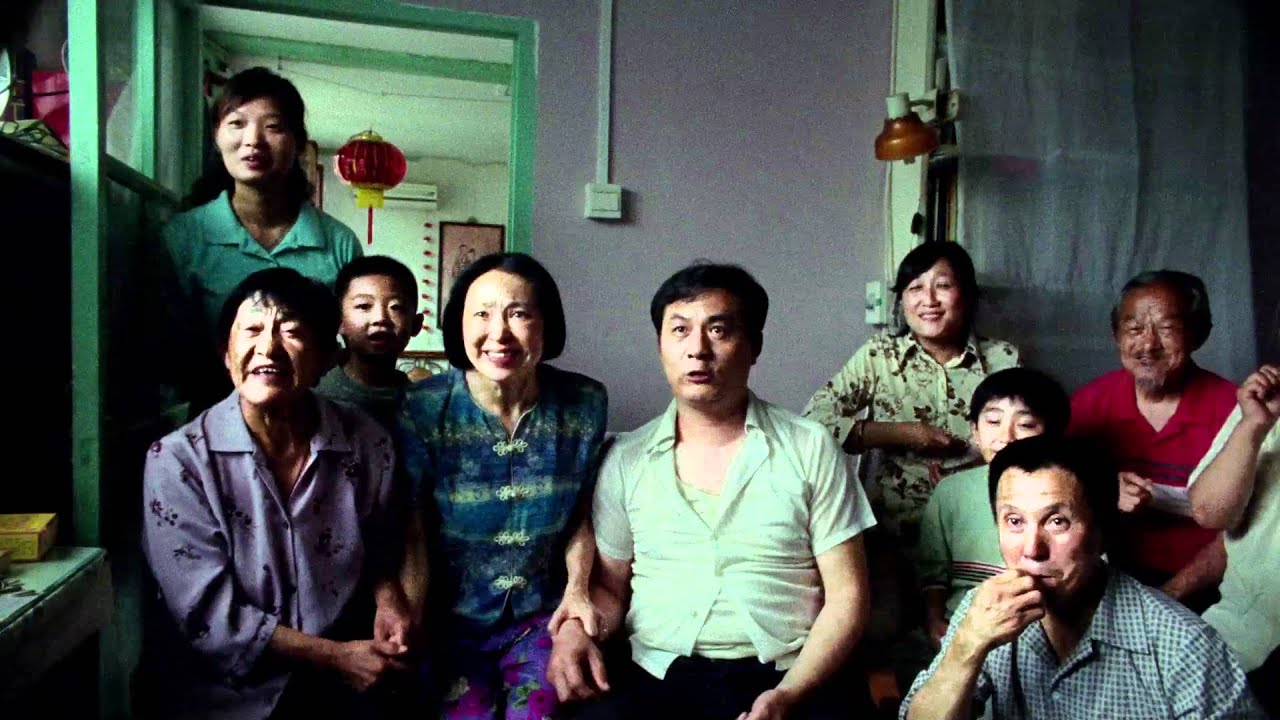
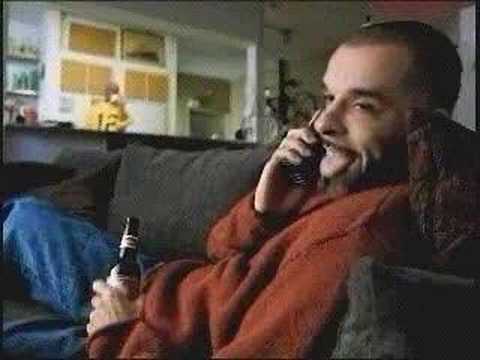
Black and white footage, shot with the raw tone of a documentary. Text cards appear on screen giving each person's name, age, family situation, income, and the financial challenge they're facing. At the end, John Hancock's list of products is presented quietly. The lines Bill Heater wrote don't sound like scripted dialogue—they sound like words slipping out in the moment. Director Pytka cast actors with a real, lived-in presence (including John Roselius and Marc McLure) and shot everything without excessive polish. Heater himself appeared in one spot, holding his one-month-old daughter and whispering about his financial dreams for her. He later said he completely ignored the client's feedback.
What happened
In 1986, the campaign won the Grand Prix at the Cannes International Advertising Festival. But the room booed. Perhaps the European jury members weren't ready to accept this kind of rawness as something that belonged in advertising. Still, in the United States, the campaign was an overwhelming success. Brand awareness and sales rose sharply, and the campaign ran for ten years. In 1998, Adweek named it one of the top 20 campaigns of the past 20 years. Imitators followed one after another, fundamentally changing the way the financial services industry advertised.
Afterthought
"We completely ignored the client's comments. That's why the campaign worked"—Bill Heater's words say it all. What's needed isn't what the client wants, but what the client actually needs. And that only comes from a moment of something close to magic. Pytka himself said flatly that Hancock never made anything that topped it afterward. Harsh, but probably true. On the other side of the boos was a revolution.
Awards
- Cannes Lions Grand Prix 1986